
The Manifesto
We are not alike.
The beauty of humanity is the original thought. You only reject your humanity when you reject what makes you diferent. The beauty of humanity is, too, it's comunal nature. But it might also be it's doom when it instills uniformity. Uniformity is easy to control, uniformity is a group of isolated individuals stuggling to fit in. In social media sense it's the struggle to keep up with algoritms but also the uniformity of a social media profile. But the indie web let's you be both unique and in the community. We are all connected. And we are not alike.
The artistic value of indie web doesn't lie in it's y2k aesthetics but in the fact that when you build your personal website, the only person you want to enjoy it is you. This is an exercise in looking inward. Your time alive is limited and should be spend being the you you are.
The hacker ethics
Something that still aplies to this day.
"Hackers: Heroes of the Computer Revolution", 1984:
- Access to computers—and anything which might teach you something about the way the world works—should be unlimited and total. Always yield to the Hands-On Imperative!
- Information should be free
- Mistrust authority—promote decentralization
- Hackers should be judged by their hacking, not bogus criteria such as degrees, age, race, or position
- You can create art and beauty on a computer
- Computers can change your life for the better

Web design of 1996-2012
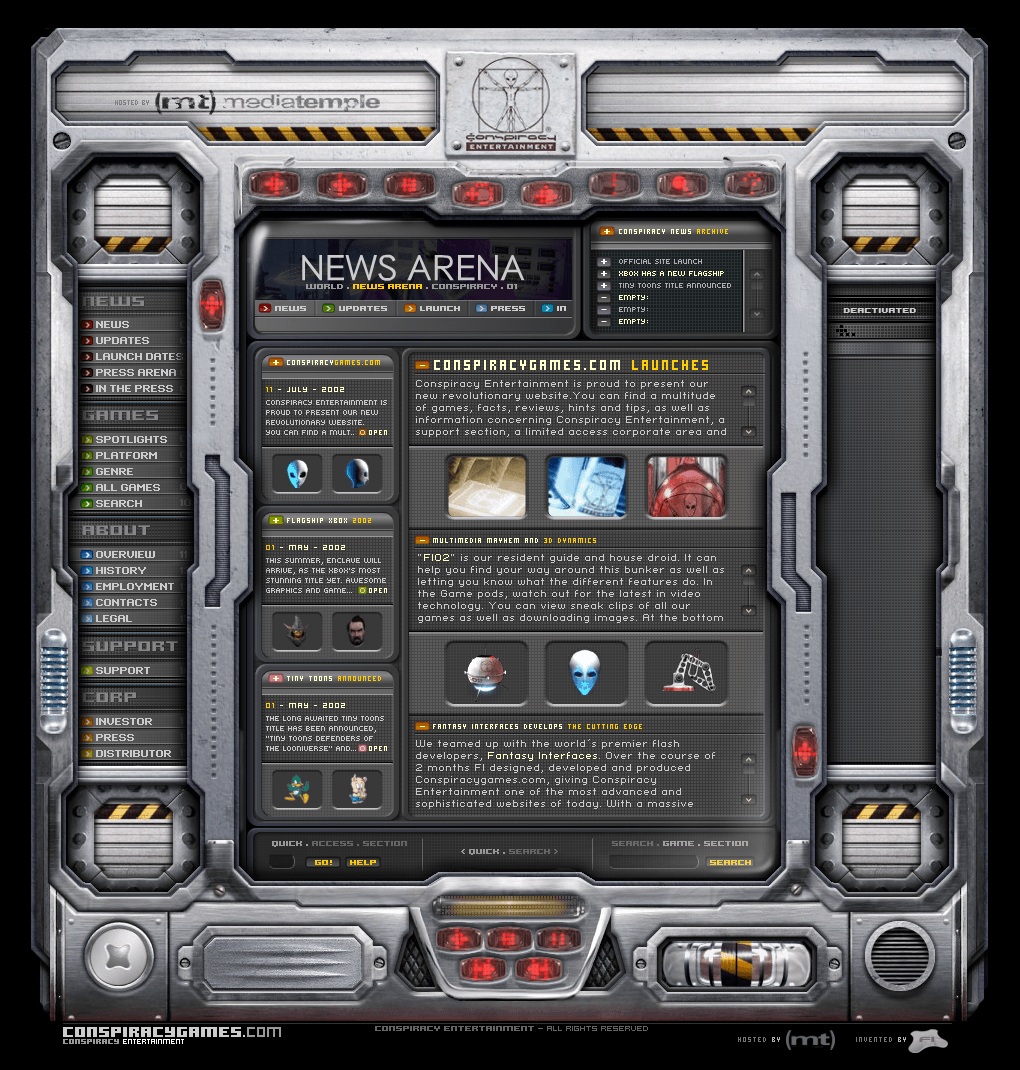
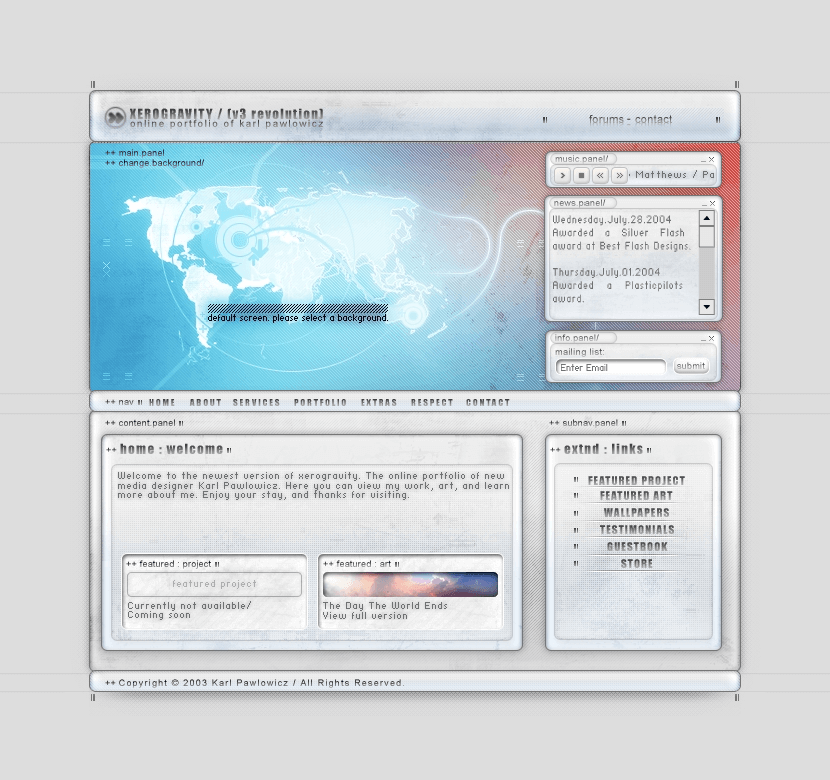
A good place to look is The Web Design Museum! Here are some of my observations and highlights.
- The second half of the 90s saw the introduction of JavaScript (something that I avoid like fire but changed the game so to speak), as well as CSS 1 which allowed for creating more and more advanced designs. 1996 is the year when real web 2.0 started.
- With 2000s rolling around Internet saw an influx of casual users. This meant that more and more papers and books on web design were being published. It's also when MySpace went live.
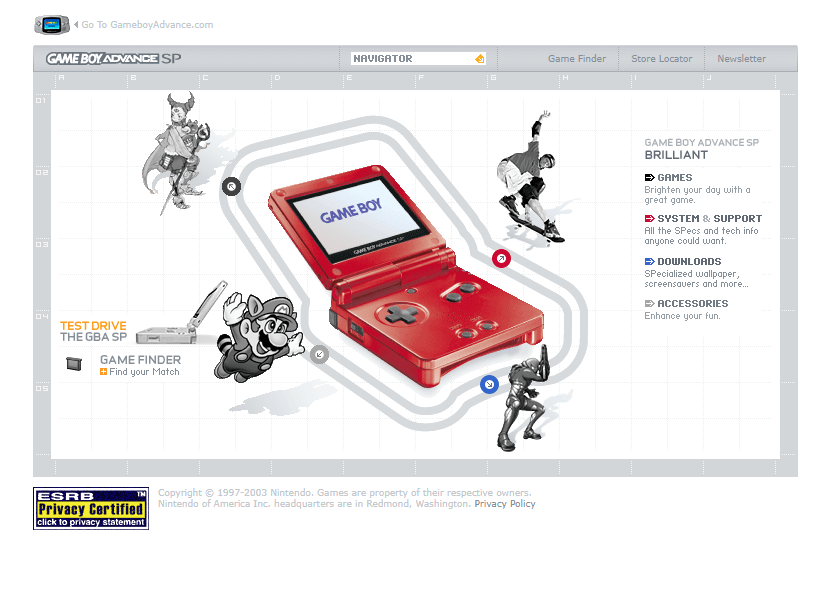
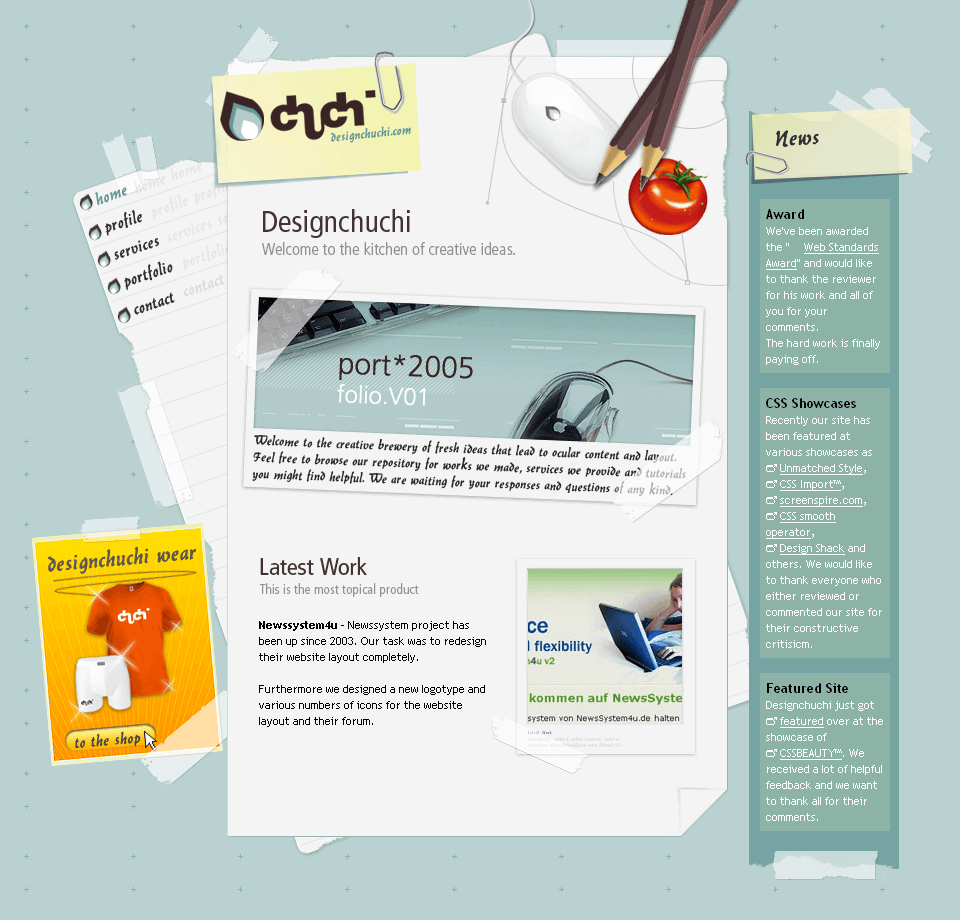
- The second half of the 2000s was the time of frutiger aero but also a time of experimentation and diversity of design even among popular webservices; that's why these times are remembered so fondly by indie webmasters.
- With 2010s came the end of that era and what we now call "flat design"; this shift lead to bigger uniformity that came with strive to optimalize the fun out of everything and smooth the experience for the mythical Average User. By the 2016 we ended up where we are now. Go on a hub for paid web designers, I dare you. It's subjective but if you are a Neocities head, I think you'll agree.
However! Good UX doesn't need to mean minimalist. Ikea furniture is often basic but we put stuff on it to make it trully ours. Ever put a sticker on a nightstand? Do it. Ever put a png on your website? Go ahead. Decorate everything in your life.
Highlights:
Open in new tab to see better, inspect to see dates.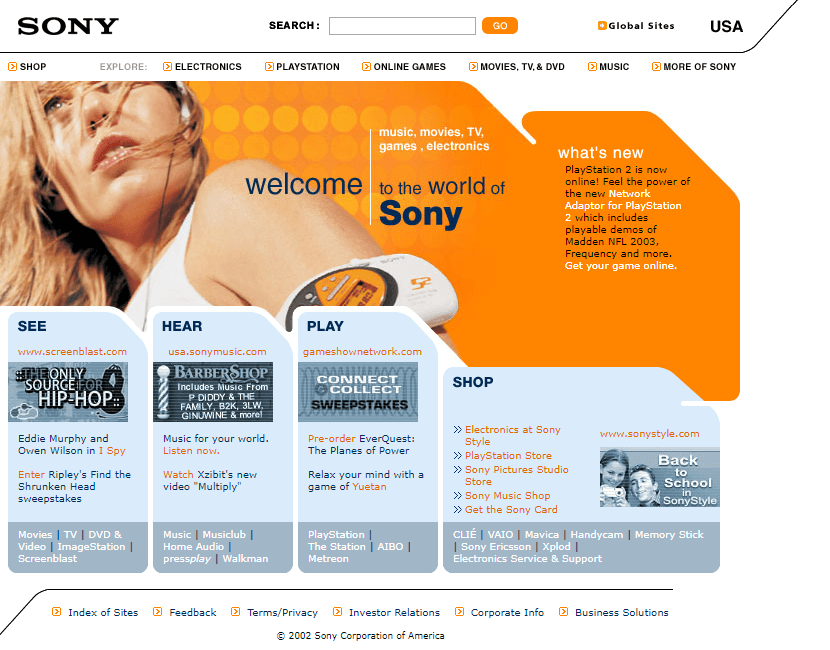

Who controls the internet?
As you probably know, the web these days is like a Aldi. Which is to say - full of scurity cameras, owned by some rich guy (and a bunch of lobbying rich guys) and trying to get you to buy their stuff (that you don't want). And if it's free - the product is proabaly you.
Know thy enemy, fear thy enemy
Microsoft, Google, Amazon, Meta.
And that's not even mentioning many goverments these corporations are influencing.
Why are these guys controling our lives anyway? Don't they know that we are all mortal and don't know what comes after death? Yikes, scary stuff. You probably wouldn't like to spend all that time being inconvenienced, even when you are on the Internet. Would be a shame if you could make it easier for yourself in the long run.
Take back the net
The Internet wasn't aways contoled by Big Tech and it doesn't have to. A good way to start is freeing yourself from social media mindset and building your own personal website. Then link it to your friends. Ask coding questions in the community, use f2u templates. If you’re in an area with a community-owned broadband initiative, get involved! Aways do your best to protect your data even if it's inconvenient.

How to indie your web (and make your experience better):
- Install Firefox or other Mozilla based browser and get all the plug-ins you want. Ad block is your friend.
- Look into Adobe alternatives if you're still an Adobe slave. It will only get worse.
- All that website stuff seems overwhelming? Here's a headstart.
- Just download your music. There are many great free mp3 players out there and doing so helps support your favourite artists. And you can yawnload it of YT in many ways. Or from free music libraries - great if you want to find cool indie artists.
- Have fun and be yourself.
Highlighted indie personal sites


